

❋
Could Your Cortisol Pattern Be Affecting Your Energy, Sleep, and Weight?
Cortisol plays an important role in regulating energy levels, metabolism, sleep cycles, and the body’s stress response.
When this rhythm becomes disrupted, symptoms like fatigue, brain fog, anxiety, and stubborn weight gain can begin to appear.
This short assessment helps identify common cortisol patterns that may be contributing to your symptoms.
⏱ Takes approx. 2 minutes.
Why Cortisol Matters
Healthy Cortisol Rhythm
Cortisol is often called the body’s “stress hormone,” but its role goes far beyond stress. It helps:
Regulates energy production
Supports metabolism
Influences immune function
Helps control sleep cycles
Maintains the body’s natural daily rhythm
Ideally, cortisol rises in the morning to help you wake up and gradually declines throughout the day. When this rhythm becomes disrupted, it can affect how you feel physically and mentally.
Common Signs of Cortisol Imbalance
Do any of these sound familiar?
-
You know that moment when your energy suddenly disappears in the middle of the day?
It’s often not just about being “busy” or needing more caffeine. Cortisol and blood sugar work closely together, and when cortisol becomes dysregulated, your energy can become unstable throughout the day.
Your body may rely on stress hormones to keep you going in the morning, only to leave you feeling depleted later on. This can show up as fatigue, brain fog, irritability, cravings, or the feeling that you “need something” to keep functioning.
-
Exhausted all day… but suddenly alert the moment your head hits the pillow?
When cortisol becomes dysregulated, the body can struggle to properly transition into rest. Instead of gradually slowing down in the evening, the nervous system may remain alert, leaving you physically tired but mentally “on.”
Cortisol follows a natural rhythm throughout the day and is meant to gradually decrease at night to prepare the body for sleep. When that rhythm becomes disrupted, it can become difficult to fully wind down and relax.
This may show up as difficulty falling asleep, waking throughout the night, restless sleep, or waking up exhausted despite getting enough hours.
Over time, this can affect recovery, hormone balance, mood, energy levels, and overall nervous system regulation.
-
Struggling to focus, think clearly, or feel mentally present?
When the body remains in a chronically stressed state, cortisol can affect cognitive function, concentration, memory, and mental clarity.
Many people blame themselves for being unmotivated or “lazy,” when in reality the nervous system may simply be overwhelmed and depleted.
-
Do small tasks suddenly feel emotionally exhausting or harder to handle than they used to?
When the nervous system remains in a chronically stressed state, the body can become more reactive and emotionally overwhelmed. Cortisol dysregulation may leave you feeling constantly “on edge,” overstimulated, anxious, or unable to fully relax.
Over time, the body begins prioritizing survival over restoration, making it harder to feel calm, grounded, and emotionally regulated.
-
Feeling like your body is holding onto weight no matter how “healthy” you’re being?
Cortisol plays a major role in inflammation, blood sugar regulation, cravings, sleep, and fat storage patterns within the body. When cortisol remains chronically elevated, the body may begin storing more weight around the abdomen as part of its stress response.
This is not simply about willpower or calories. The body responds differently when it feels chronically stressed or out of balance.
Identify Your Cortisol Pattern
In just a few questions, discover which cortisol pattern your symptoms align with.
Your results may suggest patterns such as:
• Elevated cortisol
• Low cortisol
• Irregular cortisol rhythm
• Mixed cortisol pattern
Understanding your cortisol rhythm can help explain patterns in energy, sleep, mood, weight, and overall well-being.
It can also provide insight into how factors such as sleep habits, nutrition, lifestyle, environment, and daily demands may be influencing how you feel.
GO BEYOND THE QUIZ
Curious What Your Actual Cortisol Pattern Looks Like?
That’s where Eli comes in. No needles, no labs, no waiting on shipping — just a simple saliva swab that turns into a live cortisol curve right on your phone. Instead of one snapshot, you see how your stress hormone actually moves through your day: when it spikes, when it dips, and how that lines up with your sleep, energy, and focus.
Context matters — high cortisol isn’t always bad, but knowing when it’s happening changes how you plan your day.
Ready to see your own curve? Use code REALIGN for 15% off your Eli Hormometer.
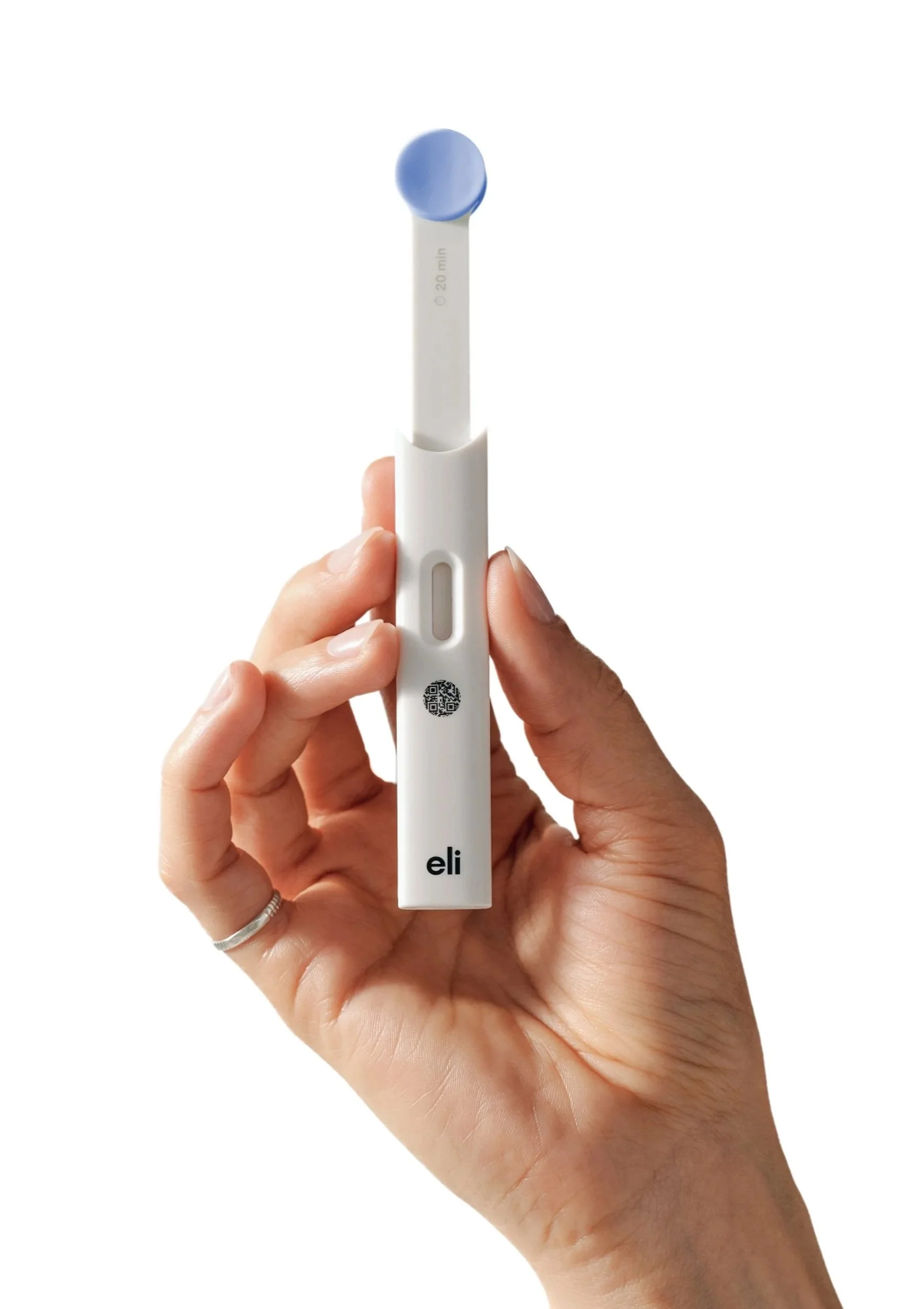
Eli is a wellness tool for everyday insight into your stress and energy patterns. It’s not a medical device and isn’t intended to diagnose or treat any condition.